Leave a Message

Thank you for your message. We will be in touch with you shortly.

Whitehouse Station–NYC Commute: A Homebuyer Guide
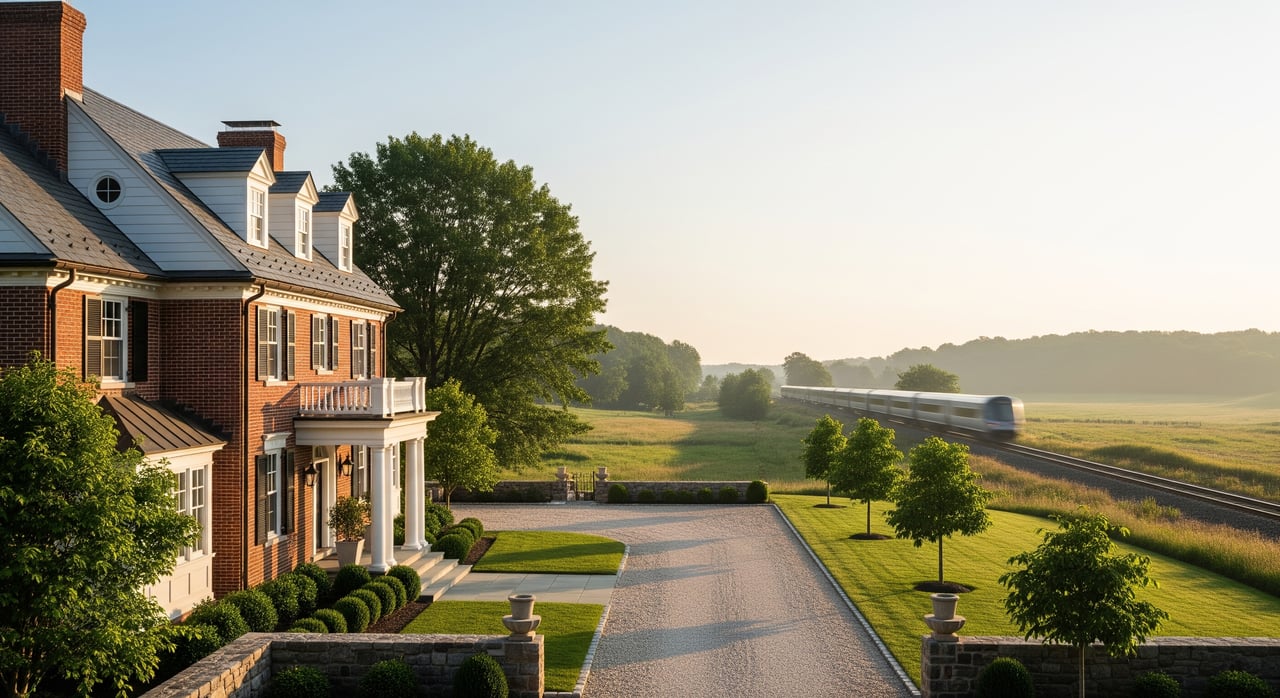
Whitehouse Station–NYC Commute: A Homebuyer Guide

Thinking about living in Whitehouse Station and commuting to New York City? You are not alone. The area’s small-town feel, access to nature, and proximity to major routes make it a smart base for many NYC professionals. The key is choosing a home that fits your commute style and budget. In this guide, you will see how rail, driving, and mixed options compare for time, cost, and reliability. You will also get a simple checklist to test the commute yourself before you buy. Let’s dive in.

Commute options at a glance

NJ Transit Raritan Valley Line

Whitehouse Station sits on NJ Transit’s Raritan Valley Line, which connects western New Jersey to Newark Penn Station. At some times, certain peak trains provide a one-seat ride to New York Penn Station. Many riders make an easy transfer at Newark Penn or opt for Hoboken and connect via PATH to Midtown. Because schedules and the number of direct-to-NY trains can change by time of day and weekday vs weekend, always confirm details on the official NJ Transit timetables and alerts before you lock in a plan.

What you will like: Rail times are generally more predictable than peak driving, and the trip is comfortable enough to read, work, or decompress. This option is ideal if you want to live near the station or prefer a car-light lifestyle.

What to consider: The number of direct trains is limited at some hours. Weekend service can be reduced, and all rail service can experience delays during track work or severe weather. Check planned work and day-of advisories on NJ Transit.

Driving via I-78

Many Whitehouse Station commuters drive to Manhattan using I-78 eastbound, then choose a tunnel or bridge based on their final destination. Your route may vary if you head to downtown, Midtown, or the Upper West Side. Off-peak, driving can be faster and offers door-to-door flexibility.

What you will like: Total control of your schedule and direct access to your office or client sites. It can be efficient if you avoid peak congestion.

What to consider: Morning and evening peaks on I-78 and the approaches to the Holland and Lincoln tunnels or the George Washington Bridge can be intense and unpredictable. Incidents and lane closures add variability. For current roadwork and real-time backups, use 511NJ travel information.

Mixed-mode and buses

You can combine modes to fit your day. Common patterns include parking at the Whitehouse Station lot and riding the Raritan Valley Line, driving to a different Raritan Valley Line station with larger lots, or using county and state park-and-ride facilities along major corridors. Direct express bus options from Hunterdon County are limited, so rail is the main public transit choice for most commuters. To check parking and Park-and-Ride availability, use NJ Transit’s station and parking pages.

Station access and parking

Walkability to the station

Whitehouse Station is the local stop serving Whitehouse Village and nearby Readington neighborhoods. Walkability varies by pocket, with homes closest to the station offering a quick, low-stress walk. If you are farther out, expect a short drive and plan for parking. When you tour homes, walk the route you would take at your normal departure time and note sidewalks, crosswalks, lighting, and winter conditions.

Parking options to confirm

Parking rules differ by station and lot. Some are permit-only, others are daily first-come, and fees vary. Municipal lots near the station may have their own permits and rules. Before you commit to a drive-to-rail routine, verify capacity, fees, and any waitlists using NJ Transit’s station parking information, and check local municipal updates for Readington Township if you plan to use nearby street or municipal parking.

Getting to I-78

From much of Whitehouse Village, the drive to an I-78 on-ramp is measured in minutes, not long distances. Your exact access route depends on your address and the time of day. Since congestion fluctuates, run sample drives at your actual commute hours and monitor incidents on 511NJ real-time traffic. If you are new to the area, test both an eastbound morning trip and a westbound evening return to understand the full picture.

Time, reliability, and costs

Reliability expectations

  • Rail: Generally consistent, with predictable schedules and clear advisories. Like any line, it can experience delays during planned maintenance, weather events, or occasional mechanical or crew issues. Check day-of alerts on NJ Transit.
  • Driving: Highly variable. Weather, crashes, lane closures, and tunnel or bridge backups can change your arrival time by a wide margin. Track conditions with 511NJ before you depart.

Typical door-to-door times

  • Train: If you can walk to Whitehouse Station, door-to-door to Midtown often falls in a broad 60 to 90 minute range. This depends on your transfer at Newark Penn or another connection, plus any station wait time. If you drive to the station, add 10 to 20 minutes for parking and the platform walk.
  • Drive: Off-peak drives can be about 50 to 70 minutes. During peak hours, plan for 70 to 120 minutes or more, depending on incidents and your Manhattan destination. Since times vary, do at least two trial runs at your actual commute hours.

What to budget

  • Rail fares: NJ Transit uses zone-based pricing and offers monthly passes. Use the fare tables or trip planner on NJ Transit to estimate one-way and monthly costs from Whitehouse Station to New York Penn.
  • Parking: Station lots can require daily fees or a monthly permit. Municipal and private lots may have different rates.
  • Driving costs: Budget for tunnel or bridge tolls, fuel, Manhattan parking if you drive all the way, and regular vehicle wear. Check current rates on the Port Authority bridge and tunnel tolls.
  • Extras: Rideshares to and from the station, childcare timing, and any employer transit benefits can shift your true monthly cost.

Buyer checklist: test your commute

Use this quick process before you write an offer:

  • Do two peak-period test commutes.
    • By train: Start from the home, walk or drive to Whitehouse Station, board your planned train, complete the Newark or Hoboken connection as needed, and time the whole trip to your office door. Repeat on a different day.
    • By car: Leave at your real departure time, drive your preferred route to I-78 and into Manhattan, include tolls and parking time, and time the door-to-door trip. Repeat on a different day.
  • Check late-evening or off-peak return options if you sometimes work late or travel on weekends.
  • Verify parking: Confirm whether the station lot is permit or first-come, the fee, and any waitlist. If needed, identify alternate stations along the Raritan Valley Line with larger lots.
  • Monitor live conditions: Review NJ Transit alerts for rail and 511NJ for highway incidents during your tests.

Tip: If you plan to search by “walk to station,” time the walk and count crosswalks and lights. Minutes matter more than distance on winter mornings.

Which option fits you

  • You want predictability and time to work or read: Choose the Raritan Valley Line and focus your home search within a comfortable walk to Whitehouse Station. Confirm how many direct trains run during your hours.
  • You need flexible hours or drive into different parts of the city: Driving may fit better. Plan for variability and test both your morning and evening routes.
  • You like backup plans: A mixed approach gives you options. Keep a rail plan for bad traffic days, and a drive plan for late meetings or off-peak trips.

Your next step

Your commute should support your lifestyle, not control it. If you are weighing rail vs road or want homes that align with your target route and timing, let a local expert guide you. Explore listings near Whitehouse Station, compare door-to-door options, and make a confident move with personal, responsive support. Connect with Linda Okupski to narrow your search and plan your ideal commute.

FAQs

How long is the Whitehouse Station to NYC train ride?

  • Many commuters see 60 to 90 minutes door-to-door, depending on transfers at Newark Penn, station wait time, and your final NYC stop.

Are there direct trains from Whitehouse Station to New York Penn?

  • Certain peak trains can offer a one-seat ride to New York Penn, but many trips require a transfer at Newark Penn; check current schedules on NJ Transit.

How reliable is driving from Whitehouse Station via I-78?

  • Reliability varies with incidents and peak congestion; use 511NJ to check live conditions and allow extra time during rush hours.

What commuting costs should I expect from Whitehouse Station?

  • Budget for NJ Transit fares and possible station parking, or for fuel, Port Authority bridge or tunnel tolls, and Manhattan parking if you drive.

Is parking available at Whitehouse Station for NJ Transit riders?

  • Policies vary by lot and can include permits, daily fees, or waitlists; confirm current details on NJ Transit’s station parking pages.

How can I test the commute before buying a home?

  • Do trial runs at your actual hours: one by train and one by car, repeating on different days, and monitor NJ Transit alerts and 511NJ for live conditions.

Work With Linda