Leave a Message

Thank you for your message. We will be in touch with you shortly.

Buying A Rental Property In Clinton: What To Know
Buying A Rental Property In Clinton: What To Know

Thinking about buying a rental in Clinton but not sure where to start? You want steady demand, clear numbers, and a path that avoids costly surprises. In this guide, you’ll learn how to size up rents, model expenses, choose financing, and navigate local rules so you can invest with confidence. Let’s dive in.

Why Clinton works for rentals

Demand drivers to watch

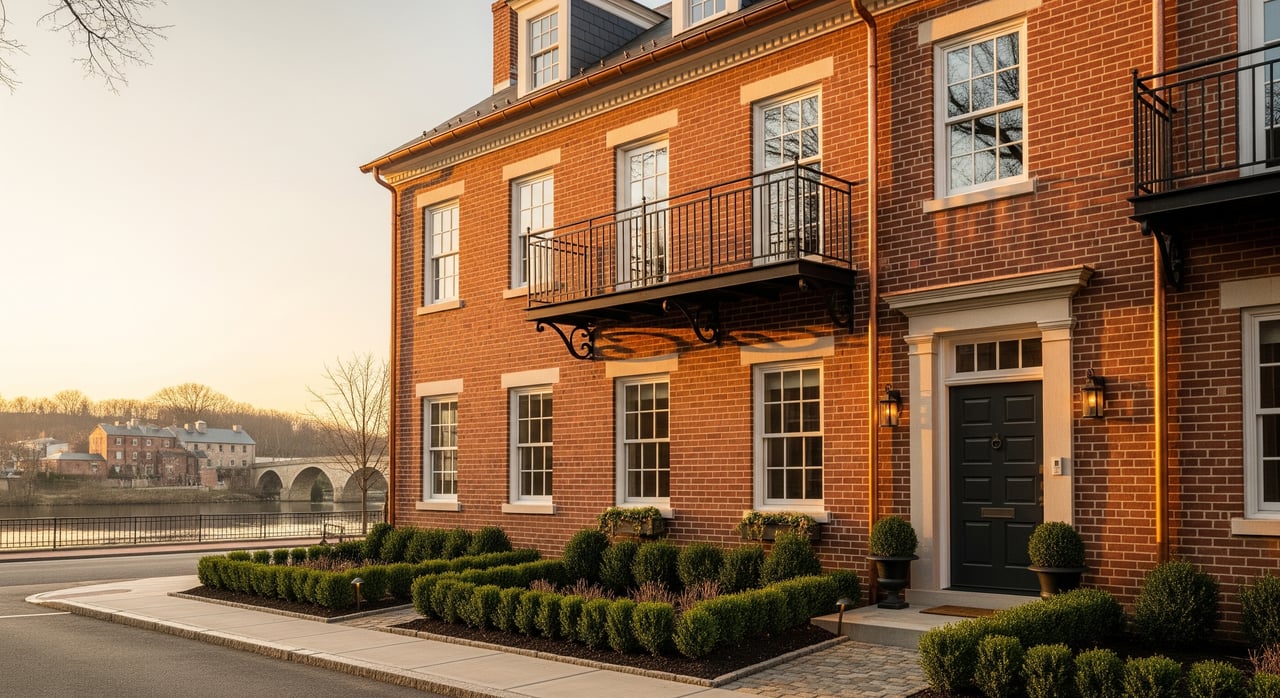
Clinton Borough is a small, historic riverfront community in Hunterdon County. It draws renters who value a walkable downtown, restaurants, and access to parks and the Raritan River. Many residents commute by car to regional job centers along the I-78 corridor, so proximity to major roads is a real benefit. Public transit is more limited than in larger New Jersey towns, so parking and commuter-friendly features can help your property stand out.

Families and professionals look for well-kept homes in quiet neighborhoods with small-town character. If you plan to target families, review neutral, factual school district data from official sources to understand how it may shape renter demand. Match your unit type and finishes to the likely tenant profile you want to attract.

Common property types

You will see single-family homes, including older and historic properties that add charm but may raise long-term maintenance needs. Small multifamily buildings with 2 to 4 units can spread vacancy risk across units and are often found near borough centers or in older conversions. Condo and townhouse options may be available in nearby developments, where HOA rules and fees will impact your net yield and rental permissions. Mixed-use buildings in the downtown area can offer residential income above ground-floor retail, but they involve more complex leasing and underwriting.

How to estimate rent like a pro

Use recent local comps

Start with 3 to 6 recently rented homes within 0.5 to 1.0 mile that match your property’s bedroom count, condition, parking, and outdoor space. Adjust for differences such as a finished basement, an extra bath, a garage, or in-unit laundry. If a listing included concessions, convert to effective rent. For example, if a 12-month lease provided 1 month free, multiply the monthly rent by 11 and divide by 12. Use a range and base your pro forma on the median or a conservative figure.

Vacancy and timing

Ask how long similar units stayed on the market. MLS days-on-market data and property manager input help you set realistic timelines and vacancy assumptions. In stable suburban markets, a 5 to 10 percent vacancy and credit loss assumption is a common starting point, then refine once you see local data.

Quick rules of thumb

The 1 percent rule is tough to hit in high-price New Jersey markets, so do not rely on it to judge deals. Instead, consider a quick Gross Rent Multiplier screen, then move to a full pro forma. Always model effective rent and build in a realistic maintenance and vacancy cushion.

Expenses that make or break returns

Operating expenses to budget

  • Property taxes: New Jersey property taxes are often your largest expense. Verify the exact parcel’s bill through official county records and model potential increases over time.
  • Insurance: Price landlord coverage for the specific property. Older homes may carry higher premiums. If the property is in a flood zone, add flood insurance.
  • Utilities: Confirm who pays for water, sewer, gas, and electric. If you pay any utilities, use actual estimates. If tenants pay, confirm separate meters and lease language.
  • Property management: Budget 8 to 12 percent of gross rent for single-family rentals, and 4 to 8 percent for small multifamily at scale.
  • Maintenance and repairs: A common rule is 5 to 10 percent of gross rent. Older homes may require more.
  • Capital expenditures: Set a reserve for big-ticket items like roofs, HVAC, and appliances. Budget a percentage of property value or a per-unit monthly reserve.
  • Vacancy and credit loss: Plan 5 to 10 percent until you have local performance data.
  • Legal, accounting, and licensing: Include landlord legal counsel, tax prep, and any municipal rental registration fees.
  • HOA fees: If buying a condo or townhouse, include monthly dues and rental policy compliance.

One-time acquisition costs

  • Closing costs: Estimate 2 to 5 percent of the purchase price for title, attorney, and recording.
  • Make-ready work: Paint, appliances, and safety upgrades needed to rent quickly.
  • Tenant placement: Marketing, broker fees for rentals if you use one, and screening costs.

Flood zones and historic stock

Clinton’s riverfront setting means certain streets may fall within flood zones. Pull FEMA maps and factor flood insurance and mitigation into your underwriting if needed. With older or historic homes, plan for more thorough inspections and higher long-term reserves, especially for roofing, plumbing, electrical, and foundations.

Financing paths investors use

Loan types to consider

  • Conventional investor mortgage: Common for 1 to 4 units. Expect a higher down payment and interest rate than owner-occupied loans, plus reserve requirements.
  • DSCR loan: A Debt Service Coverage Ratio loan focuses on the property’s income rather than your personal income. Lenders often look for a DSCR around 1.20 to 1.35 or higher.
  • Portfolio or community bank loan: Flexible on unique properties and local underwriting.
  • Owner-occupied loan: If you plan to live in the home for at least 12 months, lower down payment options exist. Not applicable if you will not occupy.
  • Commercial loan: For 5 or more units with underwriting centered on NOI.
  • Bridge or hard money: Short-term, higher-cost funds to acquire and rehab, then refinance.
  • HELOC or cash-out refinance: For experienced owners tapping equity from other properties.

Terms and documentation

Plan for 20 to 30 percent down on investment loans, and shop lenders for competitive rates and fees. Some lenders require several months of reserves to cover mortgage payments. Be ready with rent rolls, leases, or market rent data to support underwriting. In small towns with fewer comps, appraisals may be conservative, so build a cushion into your numbers.

Local rules and inspections in New Jersey and Clinton

State-level basics

New Jersey sets landlord-tenant rules on topics such as security deposits, habitability standards, notices, and eviction procedures. Review current state guidance before you buy and before you lease. Requirements can change, so verify the latest rules.

Municipal requirements

Clinton Borough or Hunterdon County may have rental registration, inspection, occupancy certificates, or local safety requirements. Contact the municipal office early in your process to confirm what applies to your property. This helps you schedule inspections and avoid delays in lease-up.

Taxes and incentives

Confirm the exact property tax bill from county records and model future increases. Rental income is subject to federal and state taxes, and depreciation can be a key benefit. If you are considering affordable housing programs or rehabilitation incentives, check for current county or state offerings and eligibility.

Key formulas and a simple example

Definitions you will use

  • Gross Scheduled Rent (GSR) = Monthly rent x 12
  • Effective Gross Income (EGI) = GSR − Vacancy and credit loss + Other income
  • Net Operating Income (NOI) = EGI − Operating expenses
  • Cap Rate = NOI ÷ Purchase price
  • DSCR = NOI ÷ Annual debt service
  • Cash-on-Cash Return = (NOI − Annual debt service) ÷ Cash invested
  • Break-even Ratio = (Operating expenses + Debt service + Vacancy) ÷ Gross income

Sample calculation

Assume your rent is 3,200 per month. GSR is 38,400. With a 7 percent vacancy and credit loss, EGI becomes 35,712. Say your annual operating expenses total 20,000. NOI would be 15,712. If the purchase price is 400,000, the cap rate is about 3.93 percent. If your annual mortgage payments total 14,000, DSCR is roughly 1.12. If you invested 120,000 in cash between down payment and closing costs, your cash-on-cash return would be about 1.4 percent. Use this framework to test scenarios and pressure-test your deal before you offer.

Step-by-step investor checklist

  • Confirm the exact address and pull the parcel’s tax bill from county records.
  • Pull 3 to 6 lease comps within 0.5 to 1.0 mile with similar beds, baths, and features.
  • Estimate gross monthly rent from the comps and calculate effective rent after any concessions.
  • Itemize annual expenses: taxes, insurance, utilities you pay, management, maintenance, CapEx, HOA, vacancy.
  • Calculate NOI, cap rate, DSCR, and cash-on-cash return based on expected financing.
  • Get a lender pre-approval or soft quote outlining LTV, rate, reserves, and DSCR targets.
  • Order a full home inspection and a flood-zone check. Price immediate make-ready costs.
  • Confirm municipal rental and inspection requirements and any certificate of occupancy.
  • Plan your lease-up timeline, marketing, and tenant screening steps.
  • Make offers that reflect conservative NOI and include inspection and financing contingencies.

How a local agent gives you an edge

A Clinton-focused agent can surface inventory early through MLS and local relationships, including off-market leads in tight conditions. You will get accurate rent comps and neighborhood context faster than public sites, which sharpens your underwriting. Strong local networks speed quotes for contractors, property managers, inspectors, and lenders so you can close and rent sooner. Experienced guidance on borough processes, historic-district considerations, and flood-zone questions helps you avoid hidden costs. Finally, a negotiation-focused agent structures contingencies that protect you on older or unique properties while keeping your offer competitive.

Ready to explore rentals in Clinton with a clear plan? If you want data-driven rent estimates, conservative underwriting, and smart negotiation from a high-volume, local expert, reach out to Linda Okupski. You will get responsive, best-friend service backed by proven results.

FAQs

What vacancy rate should I use for a Clinton rental?

  • Many investors start with 5 to 10 percent for vacancy and credit loss in stable suburban markets, then refine with local MLS days-on-market data and property manager input.

Are flood zones a concern near the Raritan River in Clinton?

  • Yes, certain areas may be in flood zones; check FEMA maps, confirm elevation, and budget flood insurance and mitigation if the property is affected.

What down payment do lenders usually require for a Clinton investment property?

  • For 1 to 4 unit investment loans, plan for 20 to 30 percent down, along with higher rates than owner-occupied loans and potential reserve requirements.

How do HOA rules affect renting a condo or townhouse in Clinton?

  • HOA fees reduce your NOI and rental policies may limit leasing or require minimum lease terms; review the governing documents before you offer.

How do Hunterdon County property taxes impact returns?

  • Taxes are often the largest expense line in New Jersey; verify the exact parcel’s bill, model potential increases, and stress test your cap rate and DSCR with higher tax scenarios.

How can I estimate rent for a single-family home in Clinton?

  • Use 3 to 6 recent MLS lease comps within 0.5 to 1.0 mile that match beds, baths, and features, adjust for differences, and base your pro forma on the median or a conservative figure.

Work With Linda